OBJECTS THAT STAY
How long does the ceramic last?
The Surprising Answer and What It Tells Us About How We Consume…
In the British Museum in London, there are small ceramic bowls from the ancient Near East, made by hand over ten thousand years ago. Some still remain intact. The people who shaped it are long gone, their names unknown, their language unrecorded — but the bowls they made with their own hands is still here.
That thought stays with me when I work with clay.
Clay Remembers Everything
Of all the materials humans have ever used to make things — wood, fabric, metal, glass — none survives like fired clay. Ceramic is chemically stable in a way almost nothing else is. It doesn’t rot. It doesn’t rust. It doesn’t dissolve. In dry conditions, a ceramic shard can last virtually forever.
The oldest known fired ceramic object is a small figurine found in the Czech Republic, dated to approximately 29,000 years ago. It was shaped during the Upper Palaeolithic period, when humans were still painting caves and following herds across open grassland. And yet the clay they fired — not for practical use, but purely for the act of making — survived the entirety of recorded history, two ice ages, and the complete transformation of the world’s surface.
Archaeologists rely on ceramic sherds more than almost any other material when they excavate ancient sites. Pottery tells them what people ate, how they cooked, what they traded, where they travelled. Clay carries memory in a way no other material can match.
In the British Museum in London, there are small ceramic bowls from the ancient Near East, made by hand over ten thousand years ago. Some still remain intact. The people who shaped it are long gone, their names unknown, their language unrecorded — but the bowls they made with their own hands is still here.
That thought stays with me when I work with clay.
The Contrast We Don’t Talk About Enough
While a ceramic object can last 10,000 years, a piece of plastic takes between 400 and 1,000 years just to begin to break down. A cheap mass-produced bowl from a fast-furniture chain will likely chip, fade, or be discarded within a decade. A synthetic fabric bag lasts in landfill for centuries. A ceramic mug, if it survives without being dropped, can theoretically outlast every generation of your family — and their families after that.
This is not a small difference. It is one of the most profound contrasts in the material world.
We live in a moment where the word sustainable has been applied to almost everything — packaging, clothing, travel, food. But the objects in our homes often escape this scrutiny. We might carry a reusable tote bag to the market and then return to a kitchen full of plastic utensils, pressed-wood shelving, and mass-produced objects that look beautiful online and feel hollow in the hand.
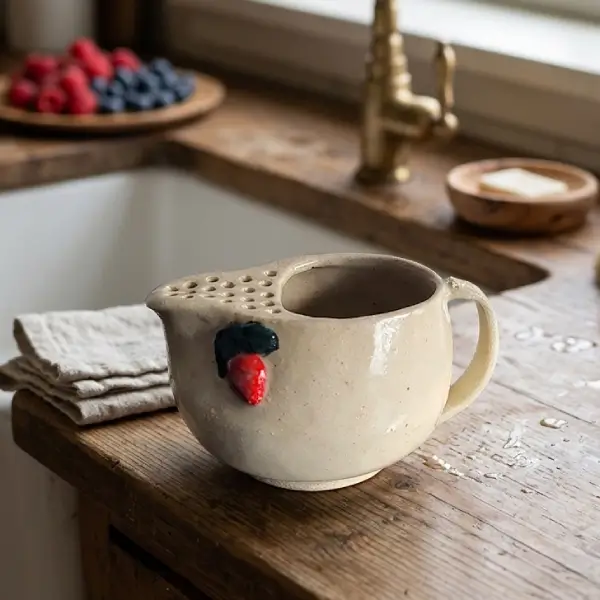
Ceramic cup for washing berries
The slow living philosophy has always understood something that mainstream sustainability culture is only beginning to articulate: fewer, better things is not just an aesthetic preference. It is a practical act.
What It Actually Means to Choose for a Lifetime
There is a calculation that doesn’t get made often enough: cost per use.
A handmade ceramic bowl that costs $50 and is used every day for twenty years ( 20 years x 365 days x 2 times a day) is used 14 600 times … & costs less than 0.0034 cents per use! A cheap bowl purchased for $12 that chips and gets replaced after two years actually costs more — not just financially, but in the resources consumed to produce, ship, and dispose of it.
This is the logic behind heirloom objects. People who grew up in households where things were kept, repaired, and passed down often describe their relationship with those objects as emotionally significant in a way that purchased things never quite are. The cup your grandmother used every morning. The fruit bowl that sat on every table in every house your family ever lived in.
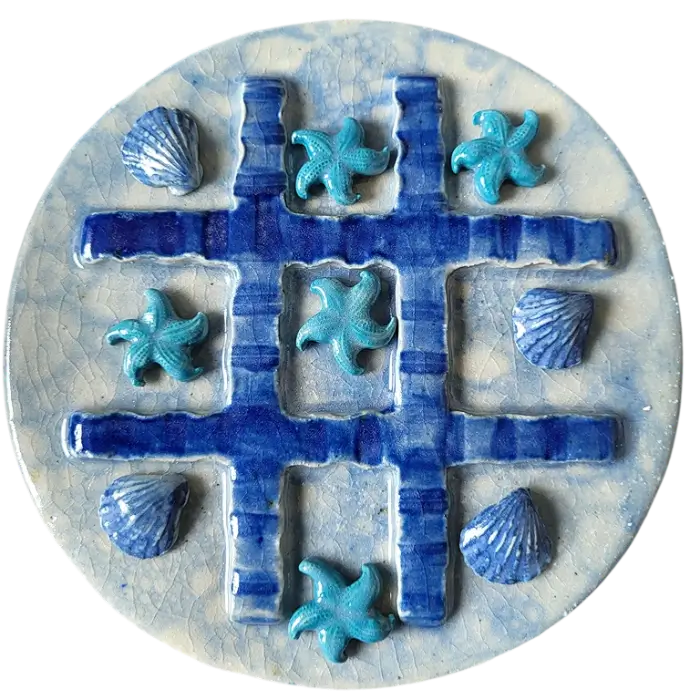
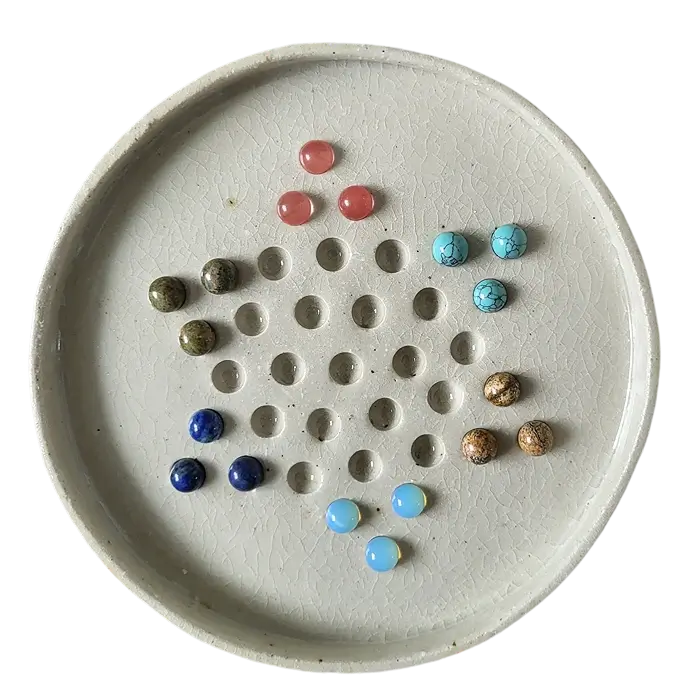
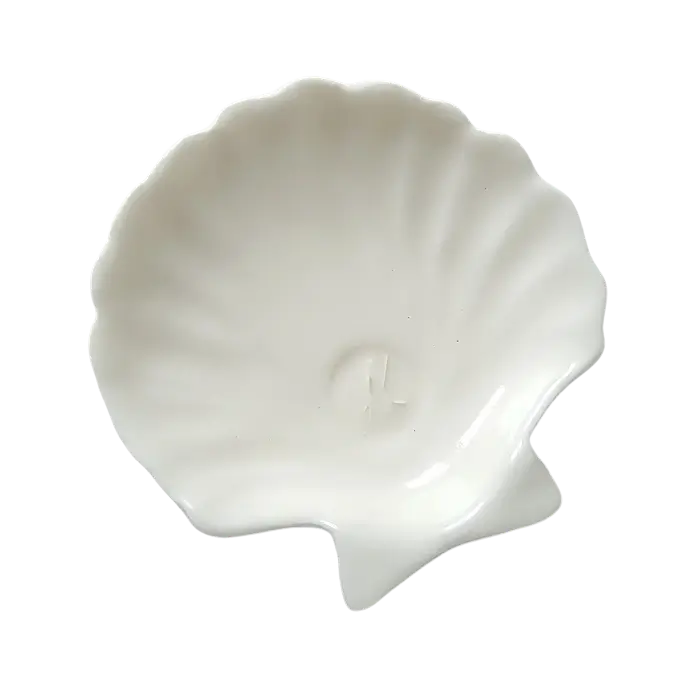
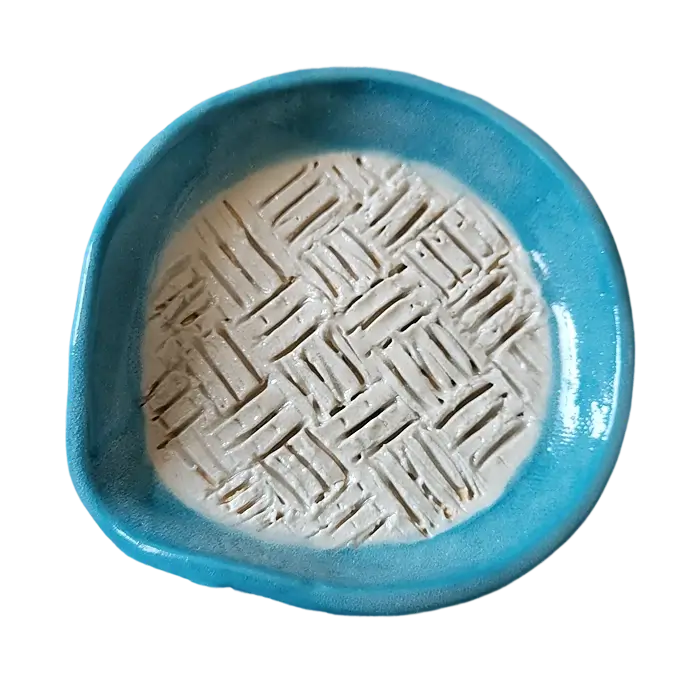
Handmade ceramics occupy a unique position here. Because they are made one at a time, by hand, without industrial moulds or automated glazing, no two pieces are identical. The slight variations in surface, the soft irregularity of a rim, the way a glaze pools differently on each vessel — these are not imperfections. They are proof of a human touch, and they are what make an object worth keeping.
A Different Kind of Zero Waste
Zero waste is often framed as a practice of reduction and refusal — fewer plastic bags, less packaging, compostable everything. And that matters. But there is another dimension that rarely makes it into the conversation: the objects we do choose to bring into our homes, and whether they are built to last.
A handmade ceramic piece, properly made and well cared for, will not enter landfill in your lifetime. It will not shed microplastics into your food or your water. It will not be replaced every three years because a trend changed. It is, in the most literal sense, a zero-waste object — because it does not become waste.
When you hold a handmade bowl, you are holding something that belongs to a tradition stretching back nearly thirty millennia. The hands that made it used the same fundamental material, the same fire, the same patience. And if you care for it, the object you hold now could, in theory, still exist long after everything else in your kitchen has returned to dust.
That is not marketing. That is just what clay does.
On Choosing Differently
I make things slowly, in my garage in Bendigo. Each piece goes through weeks of shaping, drying, bisque firing, glazing and final firing before it is ready. There is no shortcut in ceramics — the process resists speed in a way that feels almost intentional.
When someone buys a ceramic piece, I hope they feel that patience in their hands. The slight weight of it. The way the glaze catches morning light differently than it does at dusk. The small imperfection at the base that tells you a person was here, working, thinking, caring.
These are not objects designed to be replaced. They are designed to stay.
A Quiet Invitation
On this International Day of Zero Waste, perhaps the most radical thing we can do isn’t to buy less plastic — though that matters — but to look at the things already in our homes and ask: Is this made to last? When will I have to replace it? When will I want to replace it?
And if you are ever looking to add something new, look for things made by hand, made from natural materials — like earth, stone, or wood — and made to endure.