
Handmade Ceramic Gift for Mum: Why Ceramics Become Family Heirlooms
There is a cup in almost every family. A cup that no one would throw away. Maybe it is chipped. Maybe its glaze has softened over decades of use. But it sits on the shelf, untouched by strangers, recognised immediately by everyone who grew up in that house. It belonged to someone. And now it carries them.
This is what objects do, when they are made with care and chosen with intention. They become vessels — not just for tea or coffee or soup — but for memory itself. And no material holds memory quite the way ceramics does.
The Heirloom: An Object That Outlives Its Owner
An heirloom is not always valuable in the traditional sense. It is not always rare or expensive or museum-worthy. What makes an object an heirloom is simpler and more profound than that: it was held by someone we loved, and it survived them.
Ceramics have been passed down through families for thousands of years — from the delicate porcelain cups of Japanese tea ceremonies to the rough terracotta bowls of Mediterranean kitchens. There is something about fired clay that resists time in a way few other materials can. A ceramic object, well made, does not rot, does not rust, does not dissolve. It simply endures.
In many cultures, ceramics were among the first objects designated as precious — worthy of wrapping, of storing, of carrying across countries during migration. The bowl a grandmother brought from another continent. The serving dish that appears at every Christmas table. These are not accidents. These are choices made by people who understood, instinctively, that beautiful objects carry meaning across generations.
The Weight of a Cup: Memory as Ritual
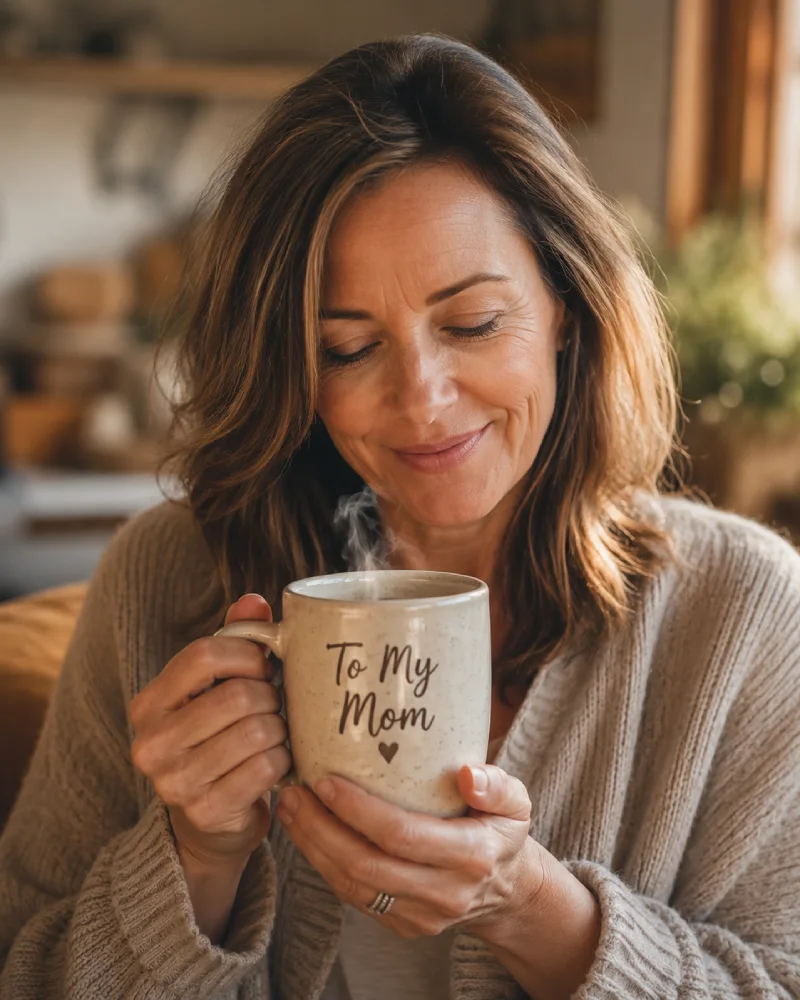
Think about the way you hold a cup of tea in the morning. The warmth against your palms. The quiet before the day begins. Now imagine that cup once belonged to your mother. Or her mother before her.
The ritual becomes layered. The warmth you feel is your own, but it is also borrowed — from every morning that cup was held before yours. This is what makes ceramic objects so extraordinary as heirlooms. They are made for ritual. They are designed to be held, daily, in the most intimate moments of domestic life.
That is the quiet power of a handmade object. It does not demand to be remembered. It simply waits, and then it is there — in the light of an ordinary afternoon — and suddenly someone you love is in the room with you again.
Across every culture and every era, clay held what mattered: food, water, ritual, memory, prayer, story. And it preserved those things across time in a way no other material has. A ceramic fragment is virtually indestructible. A bowl broken in ancient China 10,000 years ago still exists — in pieces, perhaps, but still in the world. In this sense, ceramics is not just art. It is the most durable record of human life we have.
HOW TO CHOOSE AN OBJECT THAT LASTS A LIFETIME ?
If you are thinking of a gift for your mother this year, consider what you are really offering. A bunch of flowers is beautiful, but it is gone in a week. A handmade ceramic piece — chosen slowly, held with intention — is something she may keep for the rest of her life. And beyond.
A few gentle things to consider when choosing a ceramic object that might one day become an heirloom:
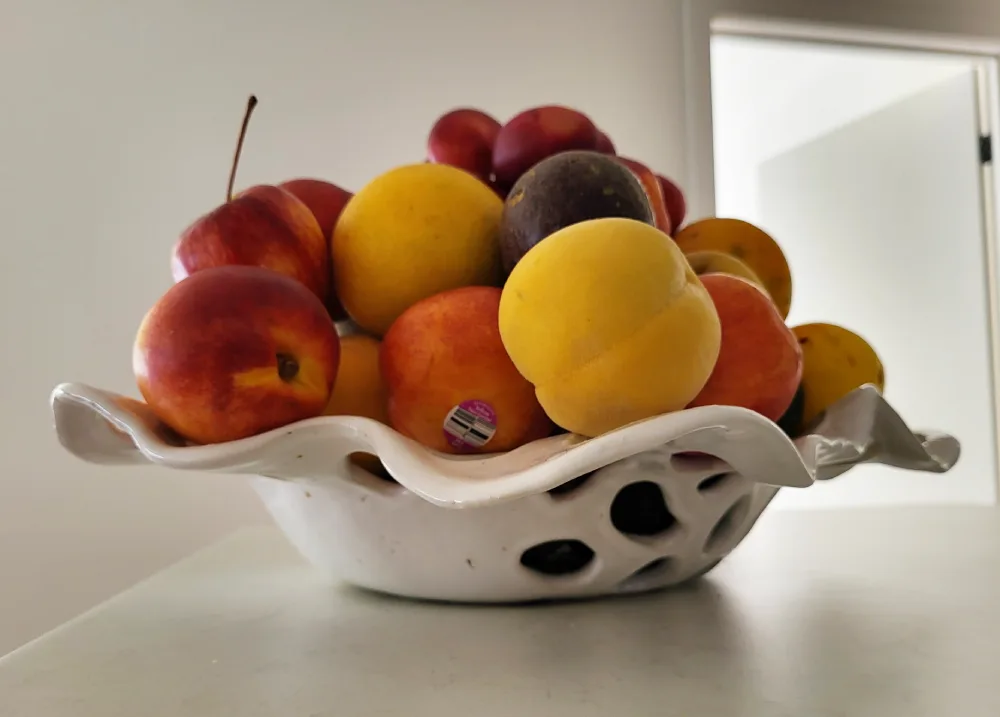
Choose something she will use, not just display. The objects that carry the most memory are the ones that become part of daily life. A tea bowl used every morning. A fruit bowl that always sits on the kitchen bench. A small cup that holds a candle beside the bed. Everyday objects accumulate meaning through repetition.
Choose something handmade. A handmade piece carries the mark of another human being — the slight curve of a thumb, the variation in glaze, the quiet imperfection that tells you this was shaped by a real pair of hands. No two pieces are identical. That singularity is part of what makes it precious.
Choose something with a story. Knowing that a piece was made by a ceramist in her studio in Bendigo, that it was shaped from local clay, that it carries the aesthetics of wabi-sabi and slow living — that story becomes part of the object. And eventually, part of the gift.
What Handmade Ceramics Carry That Factory Objects Cannot
There is a particular quality to a handmade ceramic piece that is almost impossible to describe in words, but immediately felt in the hands. A slight heaviness. A surface that is not quite perfectly smooth. A glaze that pools in certain places and thins in others, catching the light differently at different times of day.
These are not flaws. These are the evidence of a human process — of clay responding to hands, of fire responding to form. In the Japanese philosophy of wabi-sabi, these variations are considered the most beautiful part of an object. They are what make it alive. What make it real.
When you hold a handmade ceramic bowl or cup, you are holding something that was touched, shaped, and finished by a single pair of hands. That is remarkable. In a world of mass production and overnight shipping, it is almost radical.
This is why handmade ceramics become heirlooms. Not because they are expensive or impressive. But because they are singular. Because they carry a presence. Because somewhere in their weight and warmth and slight imperfection, they feel like something worth keeping.
And is that not exactly what we want to say to our mothers? You are worth keeping. This — this beautiful, imperfect, enduring thing — is how I say it.
A Gift That Becomes a Memory
Every family has an object that carries a person’s memory. A cup. A bowl. A small ceramic dish that held fruit, or keys, or nothing at all — but that held it so faithfully, for so many years, that it became irreplaceable.
This Mother’s Day, if you are looking for a gift that goes beyond flowers, beyond chocolates, beyond the things that disappear — consider something made by hand, from the earth, designed to last a lifetime and beyond. Find a piece that might one day be the object someone in your family cannot bring themselves to part with. The one that carries her. The one that stays. HAPPY MOTHER’S DAY!